What Coloring Page? Complete Guide to Themes for All Ages and Occasions
With so many options available, choosing what Coloring Page can be more difficult than it seems — especially when you want to find a theme that really motivates the child or that suits a specific moment. This guide organizes the most popular topics by age group, interest and occasion, so you never run out of inspiration before you pick up your pencil.
Themes for the Littlest Ones (2 to 5 years old)
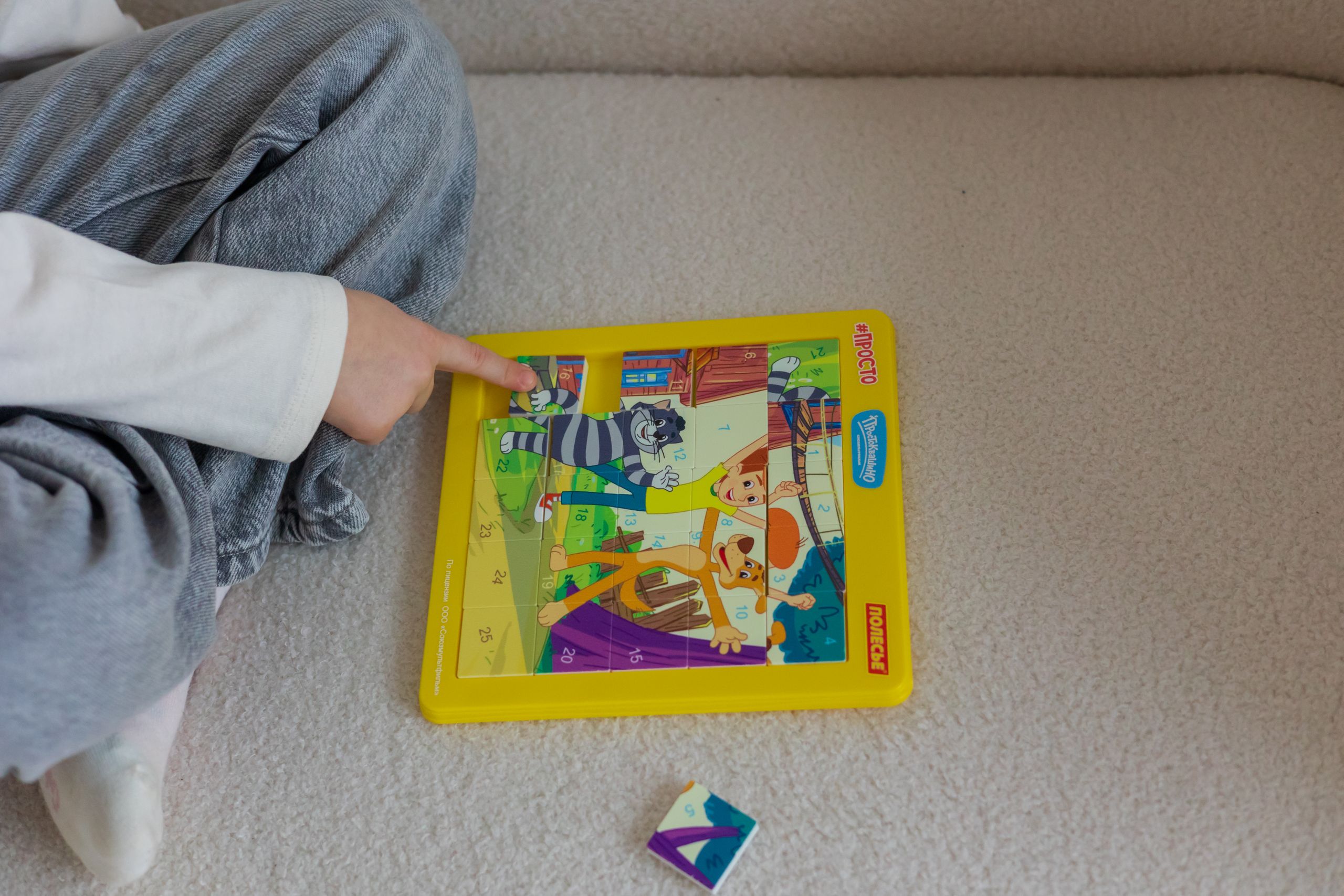
In this age group, the main criterion is simplicity: thick lines, large shapes, few details. The theme should be recognizable at first glance, because part of the pleasure of coloring for a young child is knowing exactly what they are doing — “I'm coloring a dog”, “I'm coloring a house”.
- Domestic animals — dog, cat, rabbit, fish. Simple shapes, very familiar, and with large areas to fill without difficulty.
- Fruits and vegetables — excellent for reinforcing names and colors at the same time, especially in a preschool context.
- Means of transport — cars, trains, planes and boats are topics of great interest to children this age, especially boys.
- Farm animals — cow, sheep, chick, pig. Classic themes with round and friendly shapes, easy Coloring Page and identify.
- Geometric shapes with faces — circles, stars and hearts with eyes and mouth are a good introduction to basic shapes in a playful way.
Themes for School-Aged Children (6 to 10 years old)
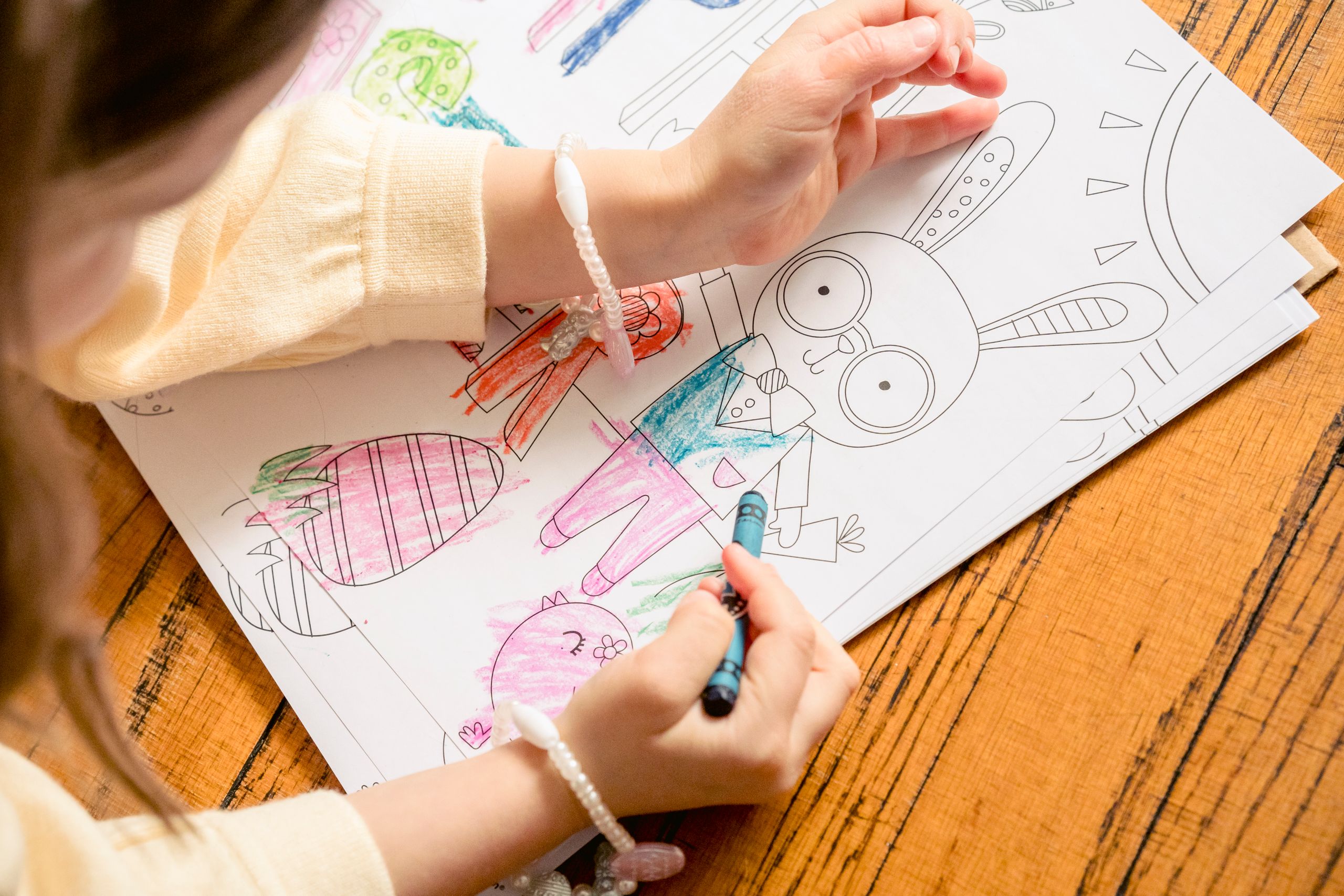
At this stage, children already have more defined preferences and tolerate (and appreciate) more detail. The theme can be more narrative — characters with a story, settings with multiple elements, situations rather than isolated objects.
- Wild animals — lion, elephant, giraffe, shark. The complexity of the texture (mane, spots, scales) is a welcome challenge in this age group.
- Dinosaurs — one of the most sought after themes consistently for several years, with strong appeal among 5 and 10 year olds.
- Princesses and fairies —dresses, castles and magical elements offer many areas to explore varied colors and creative combinations.
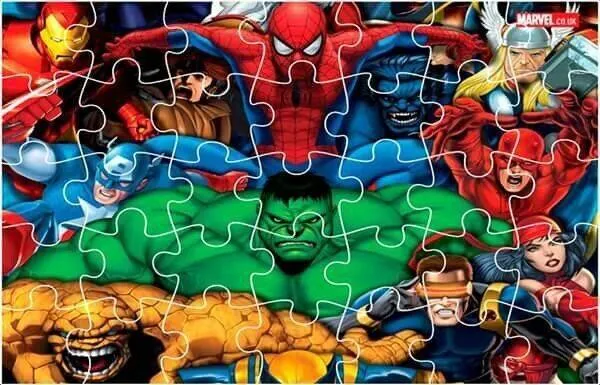
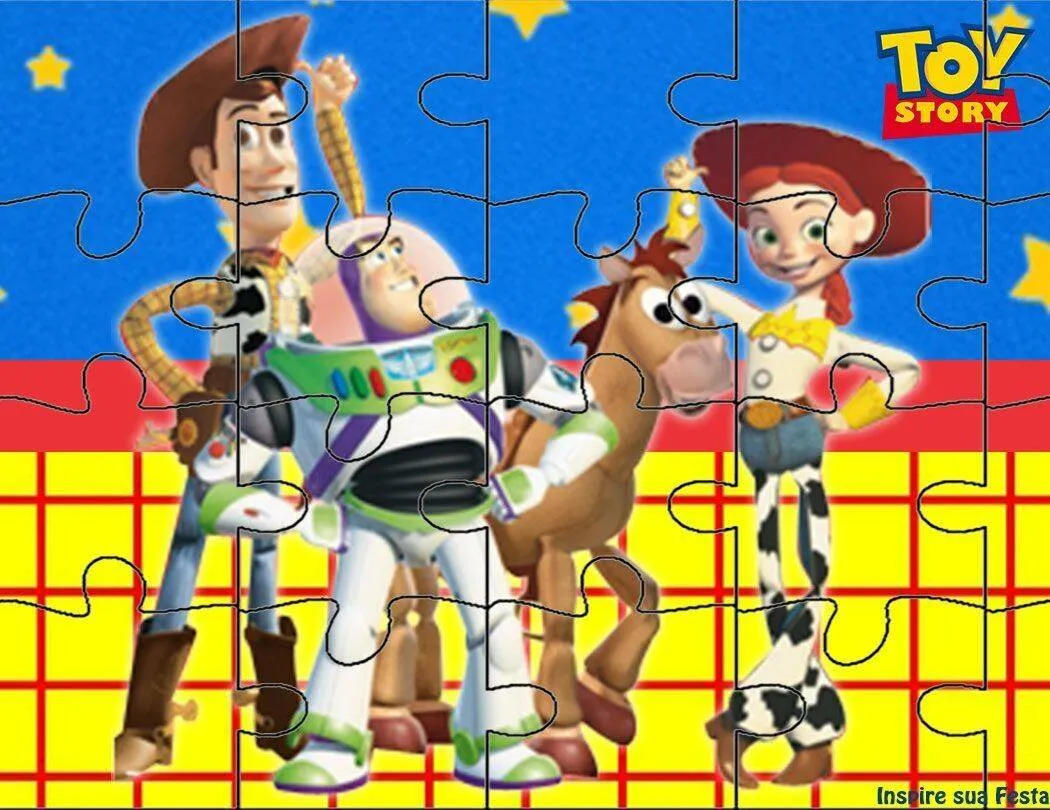
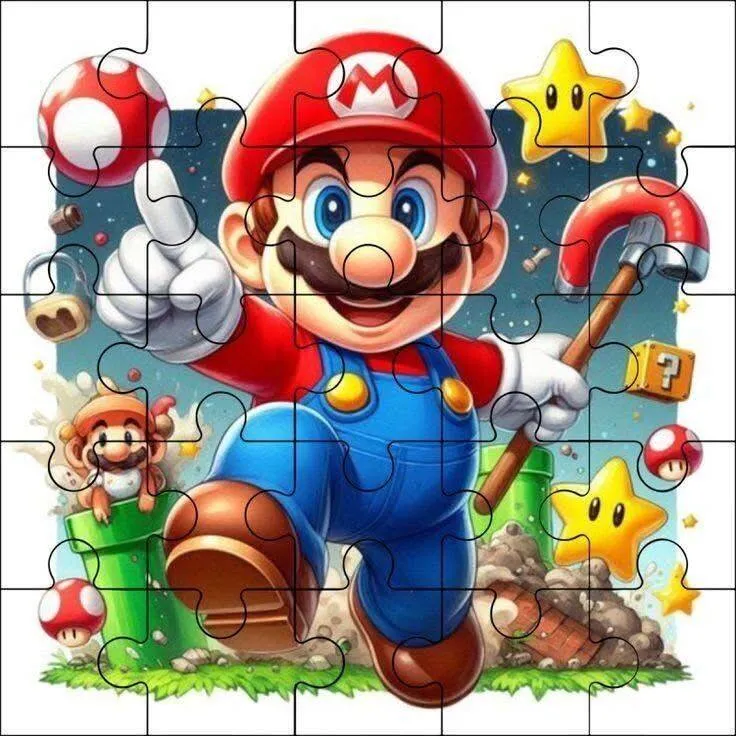
- Superheroes and adventure — costumes, shields, special powers. Very popular in school contexts and at birthday parties.
- Detailed nature — butterflies with patterns on their wings, flowers with overlapping petals, mushrooms with texture. They require more attention and produce very satisfactory results.
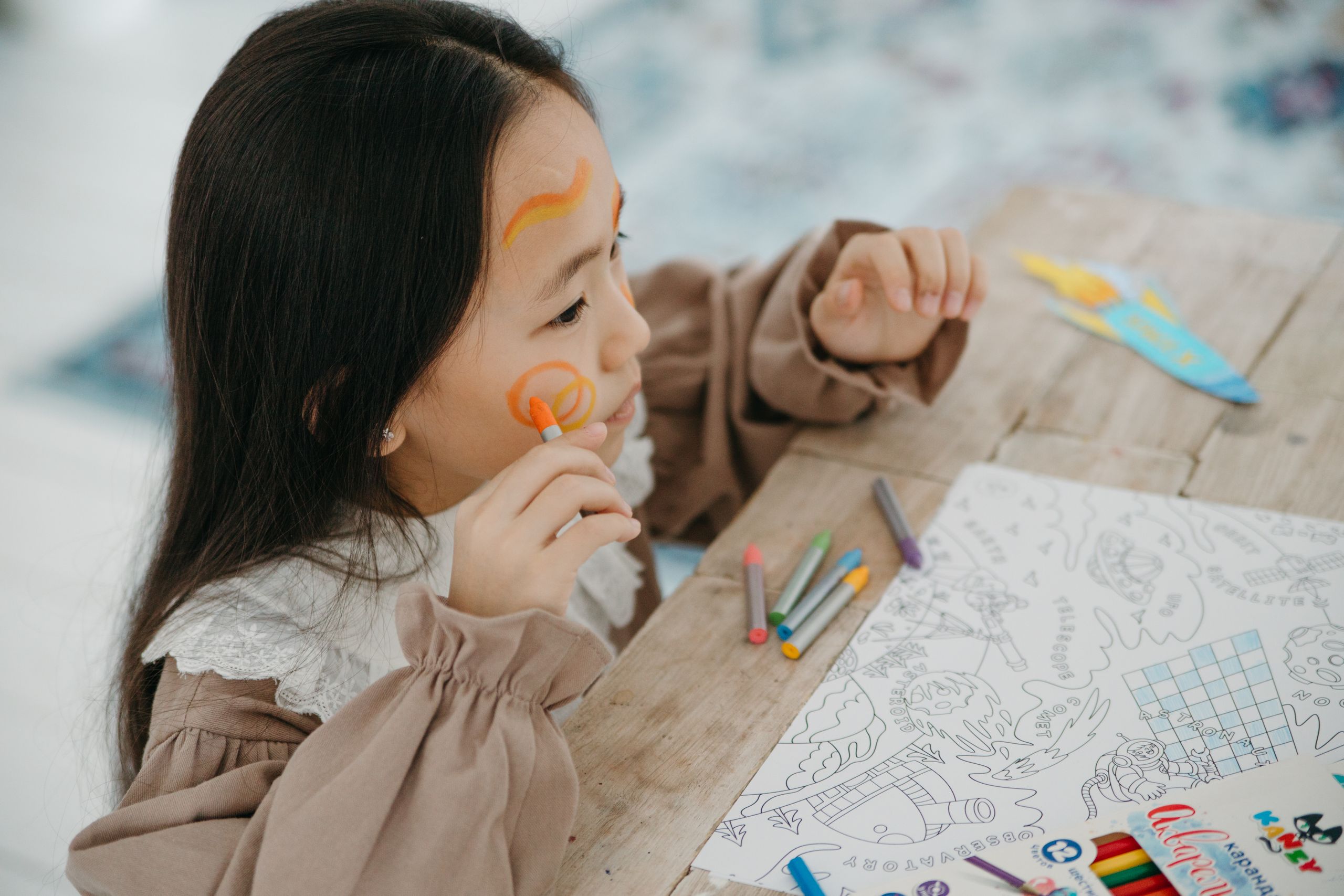
- Space and planets — rockets, astronauts, planets with rings and stars. Topic with a great educational component and much appreciated by children with scientific curiosity.
Themes for Pre-Teens and Teens (11 years and over)
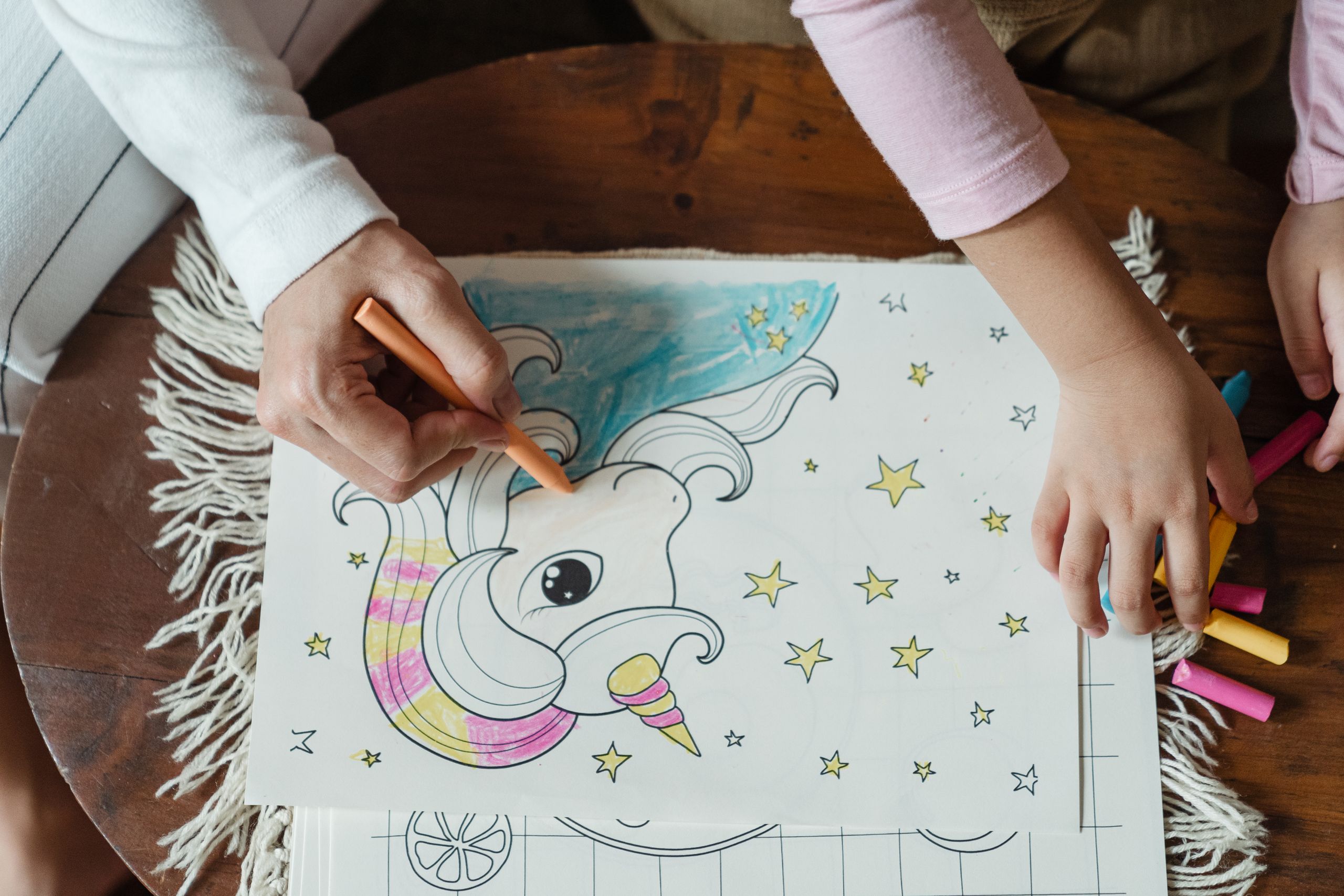
From this age onwards, coloring tends to be a more personal and deliberate choice — it is the group that benefits most from drawings with a high level of detail, where the process itself is as rewarding as the result.
- Complex mandalas — symmetrical patterns with dozens of small sections, which require color planning and a lot of patience.
- Animals with decorative patterns — zentangle style applied to animals (an elephant with geometric patterns on its body, an owl with floral patterns on its wings).
- Detailed landscapes — forests, cities, mountains or beaches with varying depths, where applying basic shading techniques makes a visible difference.
- Decorative lettering — phrases or words with ornate letters, flowers and integrated decorative elements, very popular among teenagers.
- Fashion and apparel design — fashion costumes or characters with detailed clothing, where the choice of colors and patterns is the center of the activity.
Adult Themes
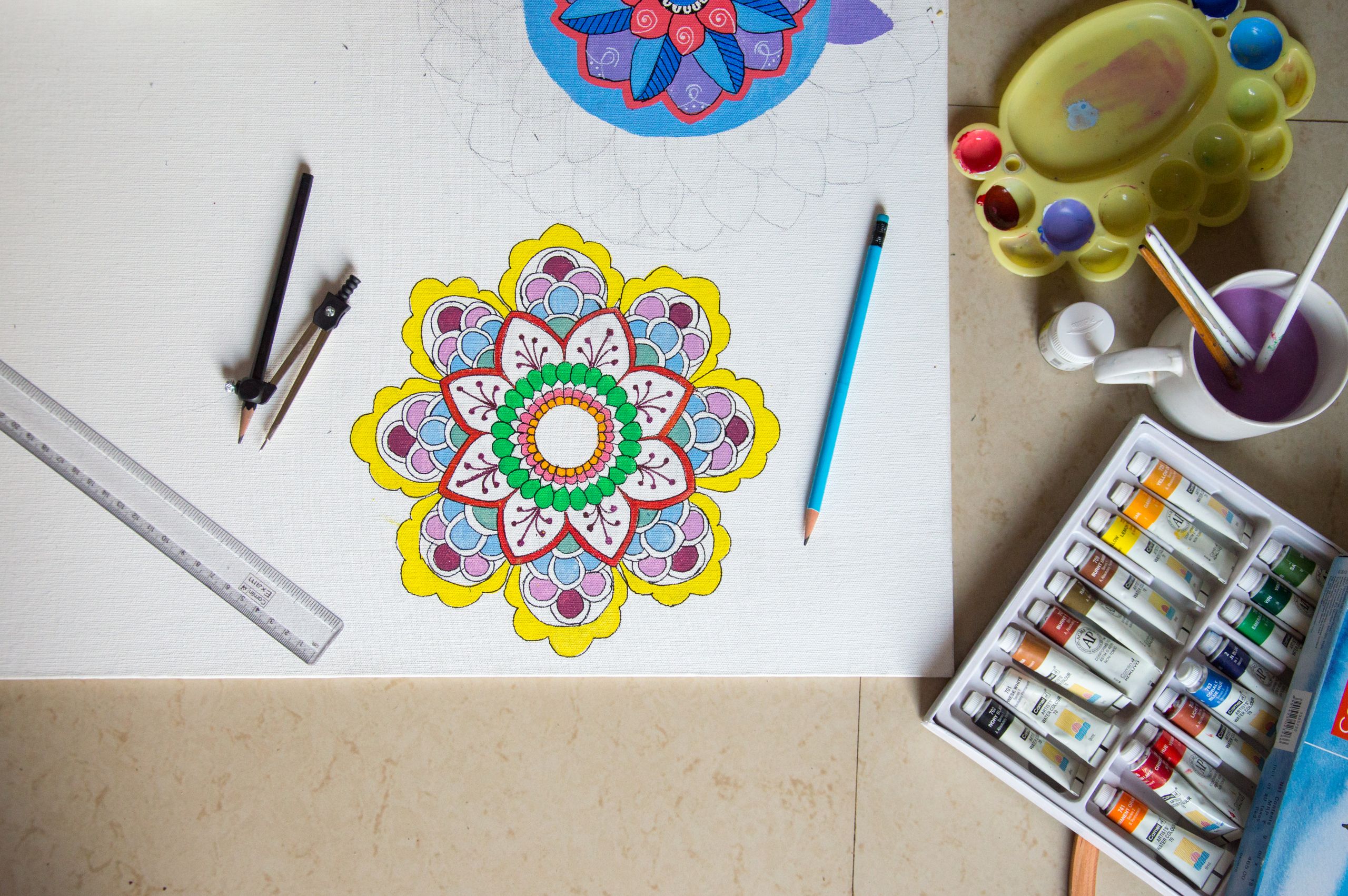
The adult coloring market has grown a lot precisely because the themes available have evolved beyond what is offered to children. Adults look for complexity, aesthetics, and often a relaxation or meditation component.
- Botanical gardens — flowers, leaves, intertwined branches. One of the best-selling themes in adult coloring books since the 2013 boom.
- Architecture and cities — facades, windows, roofs, streets. Challenging due to the precision required, very rewarding due to the final result.
- Animals with realistic detail — portraits of animals with the texture of fur, feathers or scales represented in detail, where shading is essential.
- Geometric patterns — repetitive shapes that create optical illusions when colored in the right combinations — widely used as a mindfulness tool.
- Cultural decorative art — patterns inspired by Puttuguese tiles, Islamic art, Celtic or Japanese motifs, with simultaneous aesthetic and cultural appeal.
Themes by Occasion
In addition to age, the occasion is often the most relevant criterion for choosing what Coloring Page:
- Christmas — stars, pine trees, Santa Claus, gifts, reindeer. High demand in November and December.
- Easter — decorated eggs, rabbits, chicks. Great for family activities during the holiday week.
- Halloween — pumpkins, bats, ghosts, witches. Very popular with school-aged children.
- Mother's Day and Father's Day — flowers, hearts, families. Designed to be given as a homemade gift.
- Back to school — pencils, backpacks, books, school desks. Useful as a transition activity at the beginning of the school year.
- Summer — beach, ice cream, shells, octopus and fish. Ideal for the months of July and August, when searches for activities for children at home reach their peak.
Explore Our Themes
We've organized our forum designs by theme, so you can find exactly what you're looking for:
Frequently Asked Questions
How to choose the right theme for a child who says he doesn't like coloring?
In most cases, the resistance is not to the act of coloring itself, but to the wrong drawing. Ask your child what they like most at the moment — a favorite animal, a character, a sport — and find a drawing of that specific theme. Motivation for the content almost always overcomes resistance to the format.
Are there themes that work better for children with attention difficulties?
Yes. For children with less sustained attention span, drawings with few areas and quick completion work best — a single large animal, for example, which can be finished in 5 to 10 minutes. The feeling of finishing and having a complete result is what fuels the motivation for the next session.
Can I use the same drawing for children of different ages?
Yes. The difference is not in the design, but in the approach: a 4-year-old child will fill in the areas with solid color; an 8-year-old can now try basic shading; a teenager can use the same drawing to experiment with color mixing techniques. The level of execution adapts to the capacity, even with the same starting point.
The right theme completely transforms the coloring experience — both for those just starting out and for those who have been coloring for years. Whether by age group, personal interest or occasion, there is always a starting point that makes the activity more engaging. Explore our forums and find the topic that fits the moment.