The Benefits of Coloring for Child Development
Asking a child to “color a picture” seems like a simple activity to pass the time. But behind a colored pencil sliding across paper is one of the most complete exercises for child development: it works on fine motor skills, emotional regulation, pattern recognition and even language. In this article we explain, in a practical way, what really happens when a child colors — and how to make the most of this activity at home or at school.
What Happens in a Child's Brain When They Color
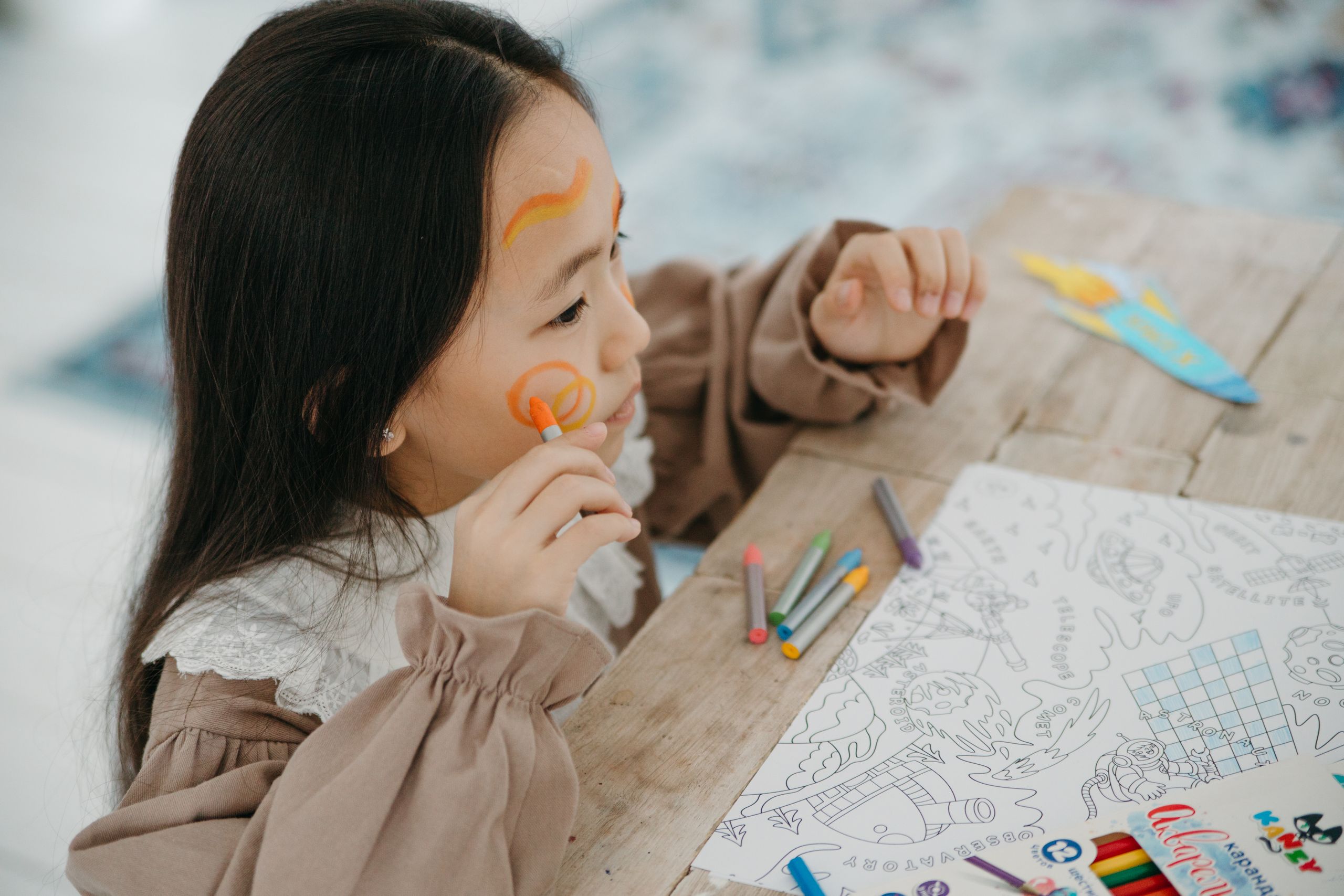
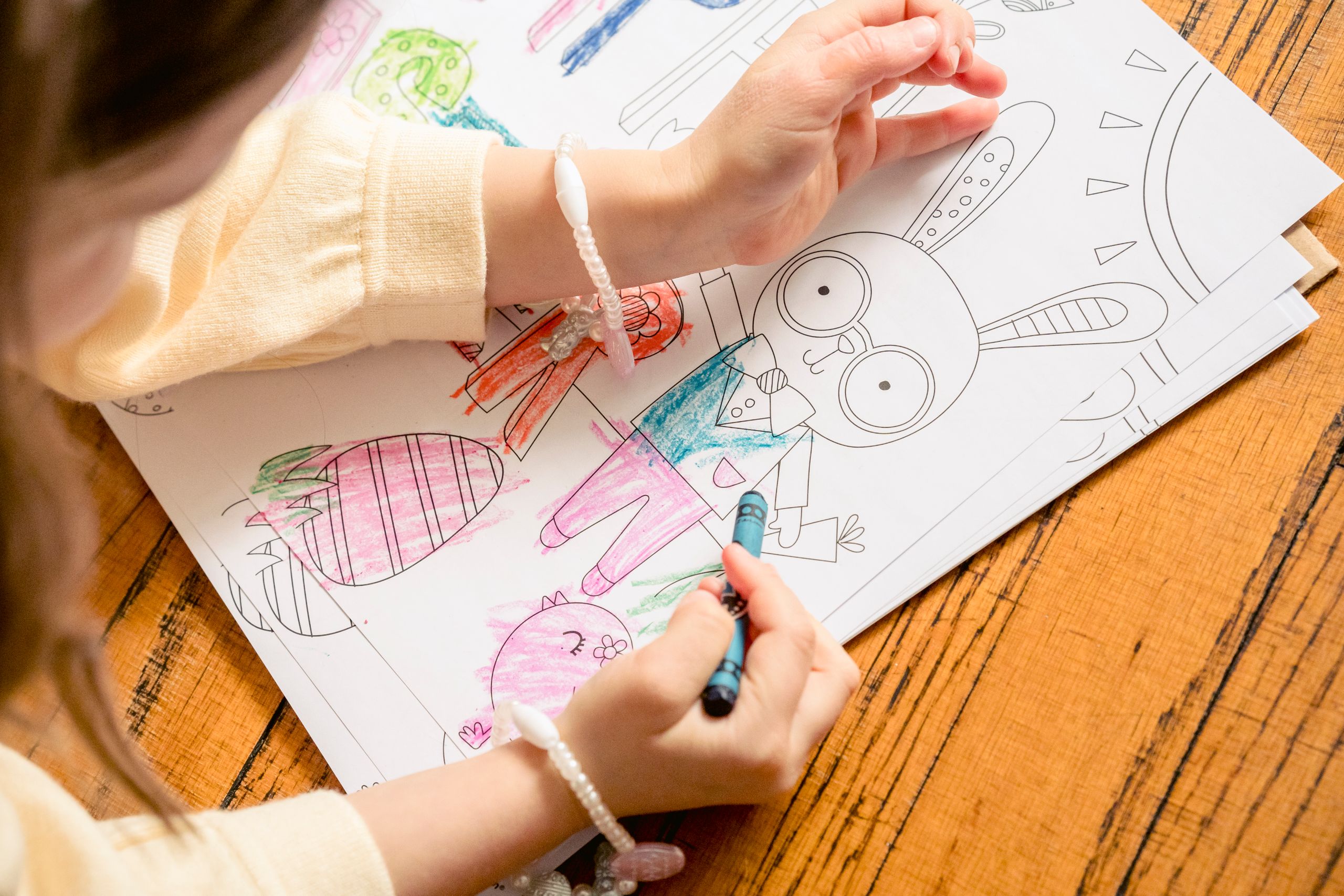
Coloring is not a passive activity. It requires the child to plan movements, control the force applied to the pencil, respect contours and make constant decisions about colors and filling order. This combination simultaneously activates areas of the brain linked to motor control, attention and decision making.
Fine motor coordination
The controlled, repetitive movement of coloring within limits helps develop the small muscles of the hand and fingers — called coloring. fine motor skills. Esta capacidade é depois transferida diretamente para outras tarefas essenciais, como escrever, apertar botões, usar tesoura ou manipular peças pequenas. É por isso que terapeutas ocupacionais usam frequentemente desenhos para colorir como ferramenta de treino motor com crianças em fase pré-escolar.
Color recognition and naming
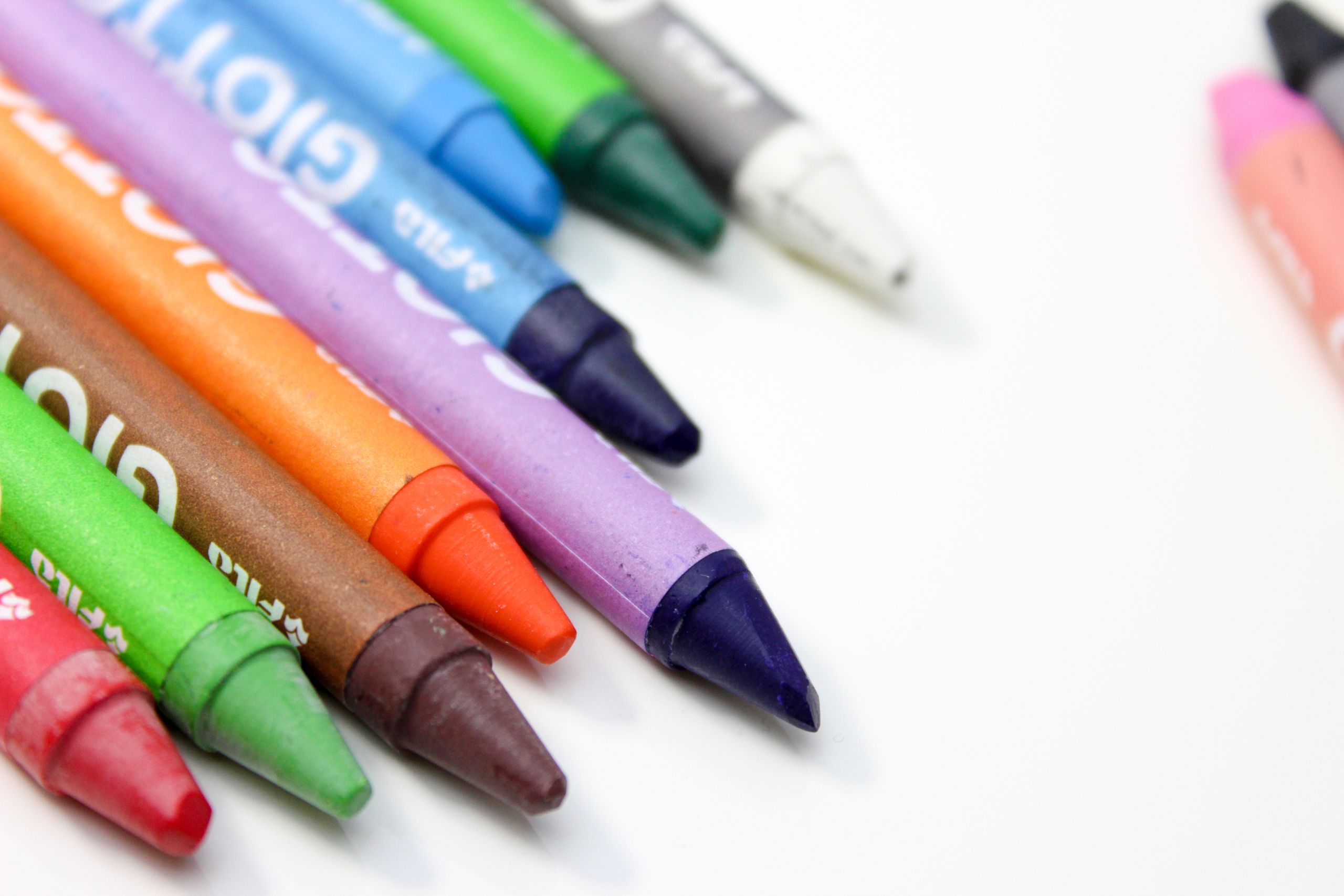
For younger children, choosing between “blue” and “green” reinforces vocabulary and categorization. This repeated association between word and color accelerates the development of descriptive language, something that is noticed later when the child begins to describe everyday objects and situations in more detail.
Emotional and Regulation Benefits
Coloring has a calming effect recognized by educators and child psychologists. The activity is repetitive, predictable and gives the child total control over the outcome — three factors that reduce anxiety and help with emotional self-regulation. Therefore, it is common to see coloring pages used as a transition tool between more hectic activities and moments of greater concentration, both at home and in the classroom.
For children who have greater difficulty managing frustration, coloring also offers an important advantage: unlike other artistic activities in which “making a mistake” can be visible and definitive, a poorly colored drawing can always be corrected, repeated or reprinted. This lowers the pressure associated with performance and encourages experimentation.
Coloring and the Development of Concentration
Staying within the confines of a drawing for several minutes requires sustained attention — a skill that is directly related to later school success. Studies in an educational context associate repeated visual concentration activities, such as coloring, with improvements in the ability to remain focused on longer school tasks.
Here is a practical suggestion: start with simple drawings, with few areas and thick lines, for children between 2 and 4 years old, and increase the complexity (more details, smaller areas) as the child gains confidence and motor control.
Coloring as a Pedagogical Tool, by Age
2 to 4 years
At this stage, the goal isn’t to “paint within the lines” — it’s to explore movement and color. Choose drawings with large areas and few details, and praise effort, not precision.
5 to 7 years
This is the stage in which the child can respect contours more consistently. Introduce themes that reinforce other learning — animals, numbers, letters — to transform the activity into a school complement.
8 years or more
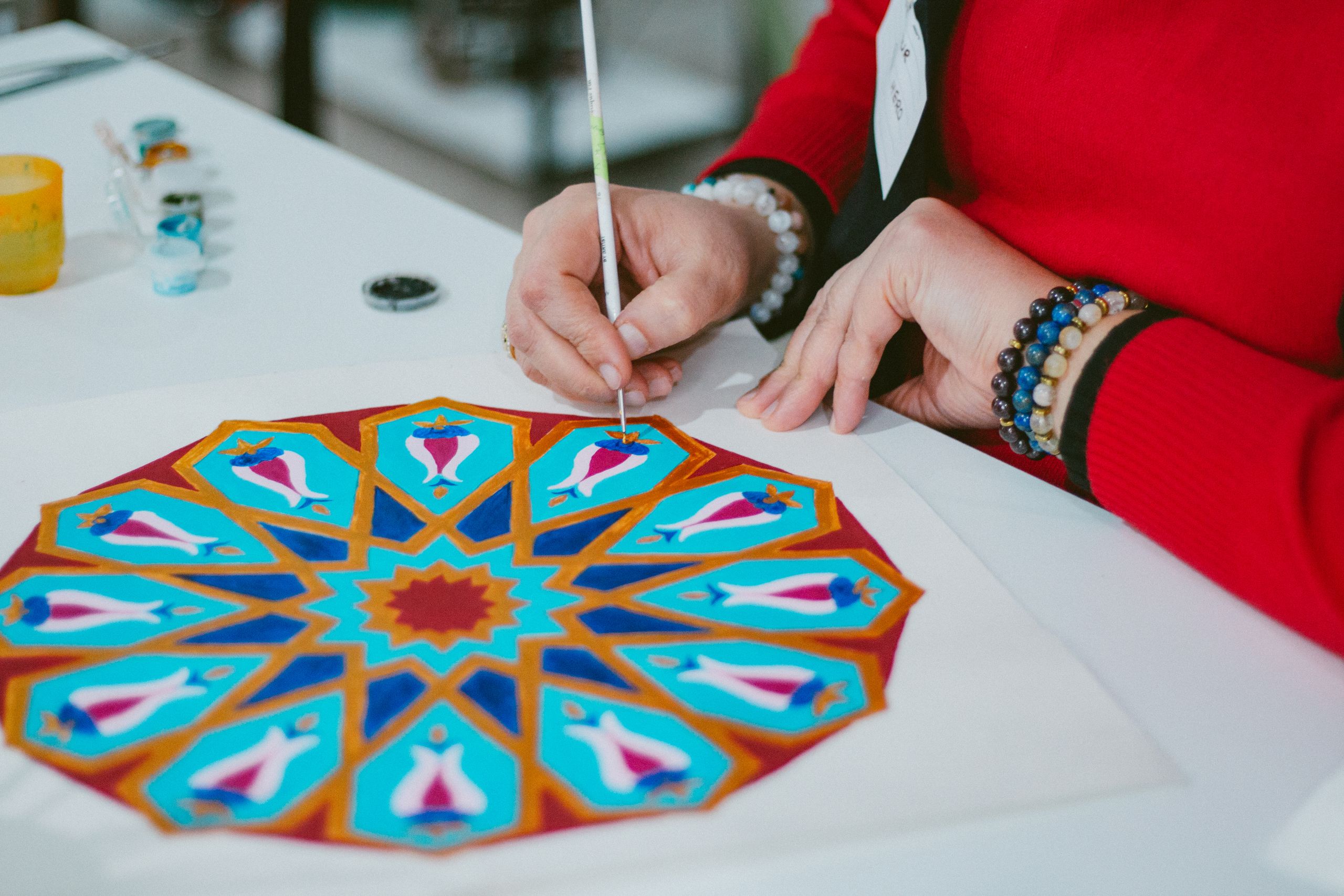
Older children benefit from drawings with more detail (simple mandalas, geometric patterns), which require greater planning and patience, and which begin to introduce notions of symmetry and proportion.
How to Choose the Right Designs for Each Phase
A common mistake is choosing drawings that are too complex for the child's age, which creates frustration instead of pleasure. The lines must be thick enough for the child to clearly see where to stop, and the topic must be of real interest to the child — animals, vehicles, characters or nature, depending on the stage of interest they are at.
Examples of Drawings on Our Forum
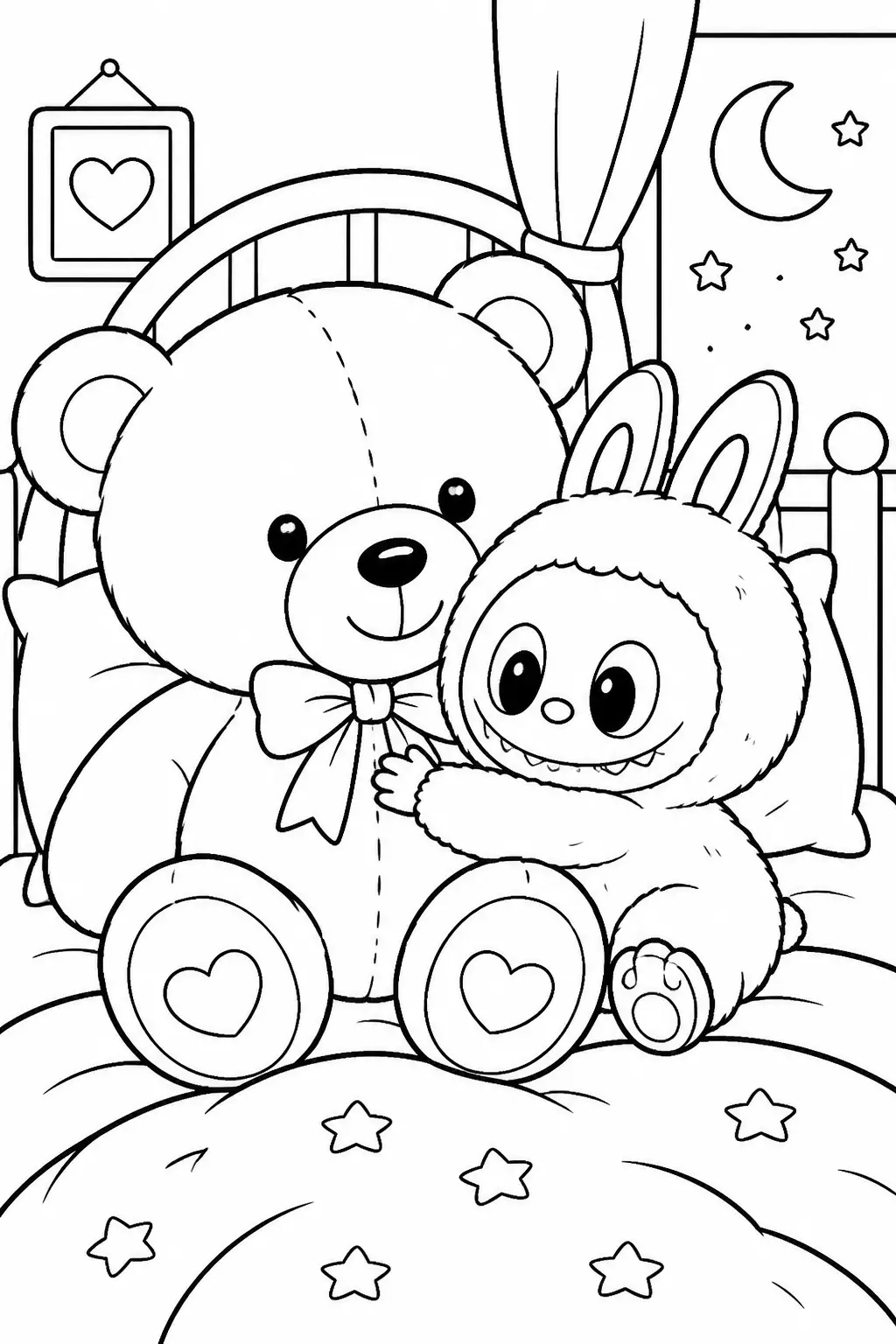
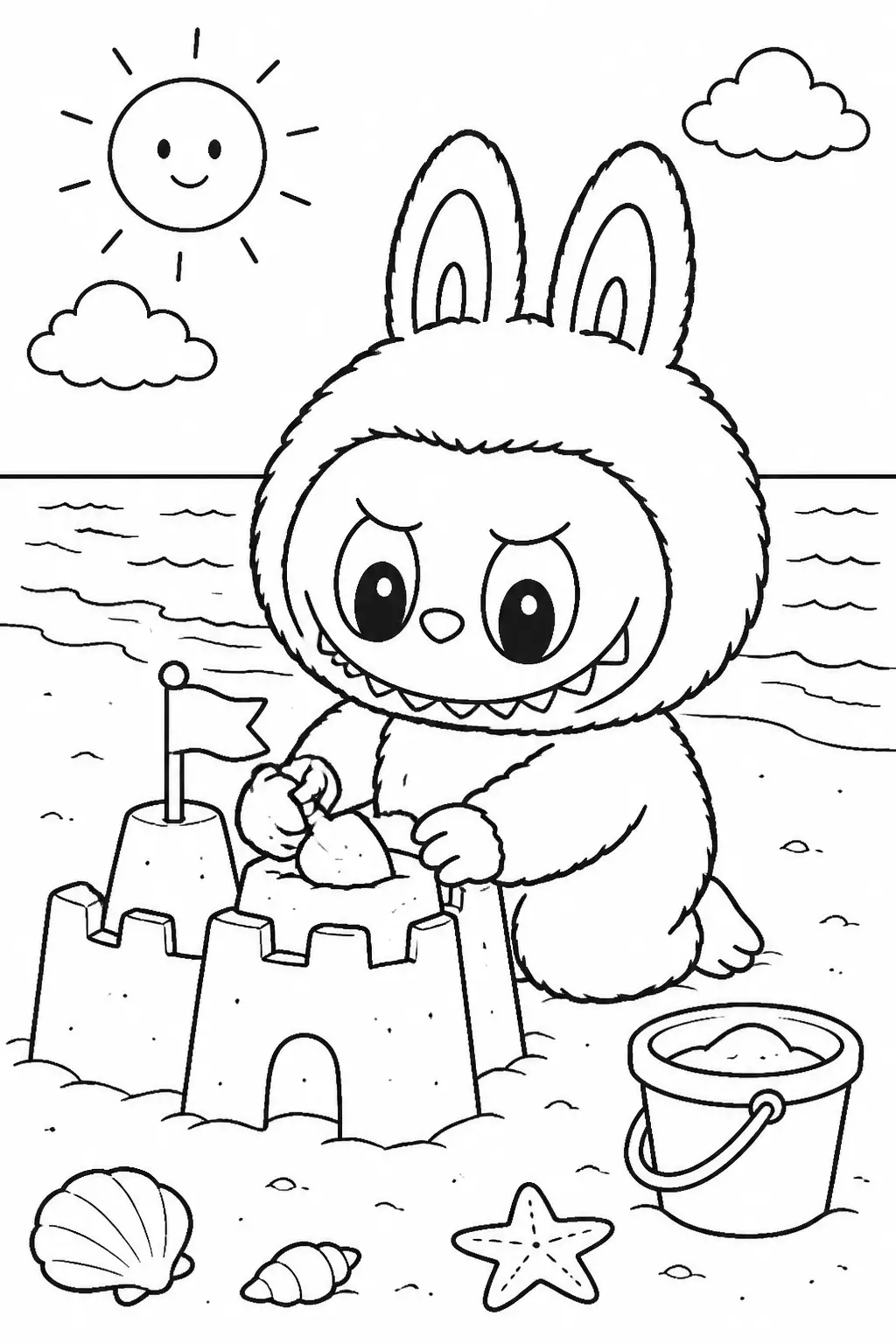
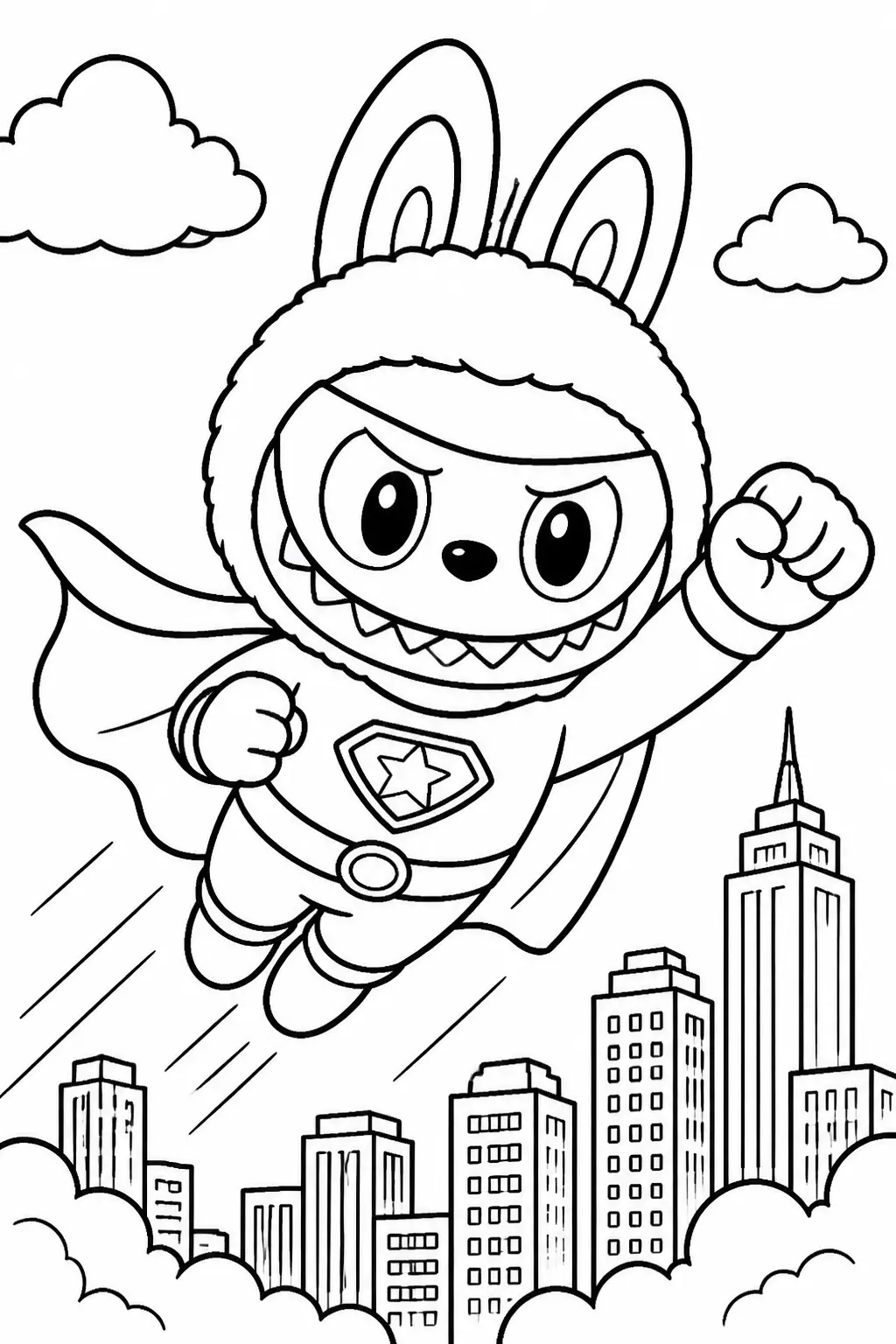
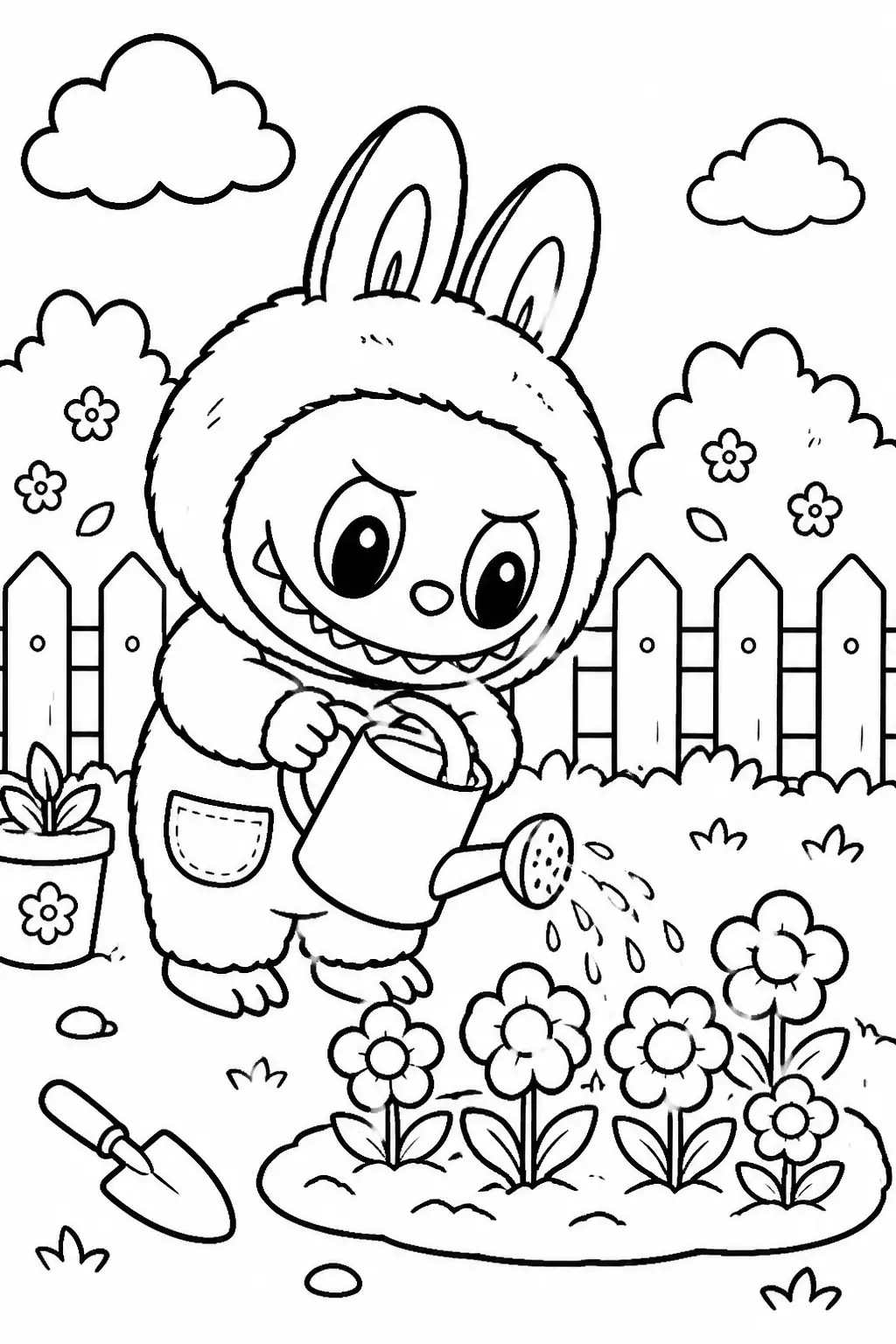
We have gathered on the forum several themes organized by category, ready Printable and adapted to different ages. Some examples you can explore now:


Frequently Asked Questions
At what age can a child start coloring?
Most children begin to handle colored pencils with intention from the age of 18 months, even without controlling the contours. The motor control necessary to respect limits develops more consistently between the ages of 3 and 4.
How much time per day is recommended for this activity?
There is no strict rule, but sessions of 15 to 20 minutes, several times a week, are enough to generate benefits in motor skills and concentration without making the activity tiring or forced.
Does coloring really help you prepare for writing?
Yes. Pressure control, correctly holding a pencil and guided movement of the hand are skills directly transferable to handwriting, and are therefore an activity frequently recommended before starting school.
Conclusion
Coloring is much more than entertainment: it is motor training, emotional regulation and cognitive development disguised as play. Choosing the right drawings for the right age, and giving the child space to experiment without the pressure of “doing it perfect”, turns this simple activity into a valuable development tool — and that's exactly why we organized our forum by themes and difficulty levels.