How Coloring books work as Art Therapy: 7 Benefits for Well-being
Art therapy is a form of therapeutic intervention that uses artistic creation as a means of expression, emotional processing and recovery of well-being. Within the tools used in the context of art therapy, coloring books occupy a special place: they are accessible, do not require prior technical skill, have a very low cost and can be used independently, without professional supervision, with proven results in contexts of anxiety, stress and general mental health. In this article, we explain exactly how this connection works — and the seven key benefits that research and clinical practice have documented.
What Is Art Therapy and How Coloring Books Fit Into It
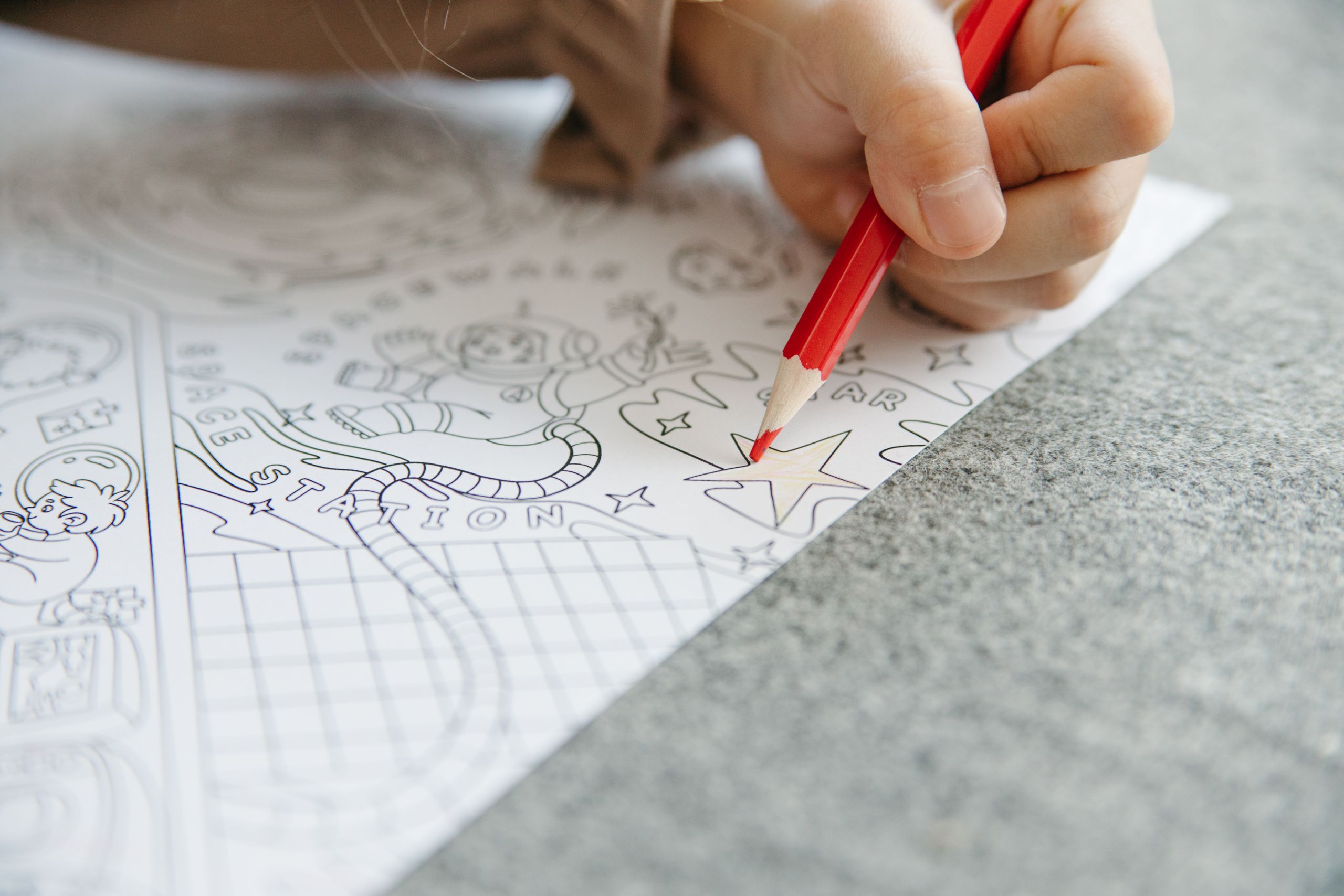
Art therapy isn't about making beautiful art — it's about using the creative process to access emotional states, reduce internal tension, and develop psychological resources. In this sense, coloring is a low-threshold form of art therapy: it does not require imagination from scratch (the outline is already defined), it does not expose the user's creativity to external judgment, and it allows a level of total control over the process — something that has direct therapeutic value for people with anxiety or a tendency towards perfectionism.
Benefit 1 — Immediate Anxiety Reduction
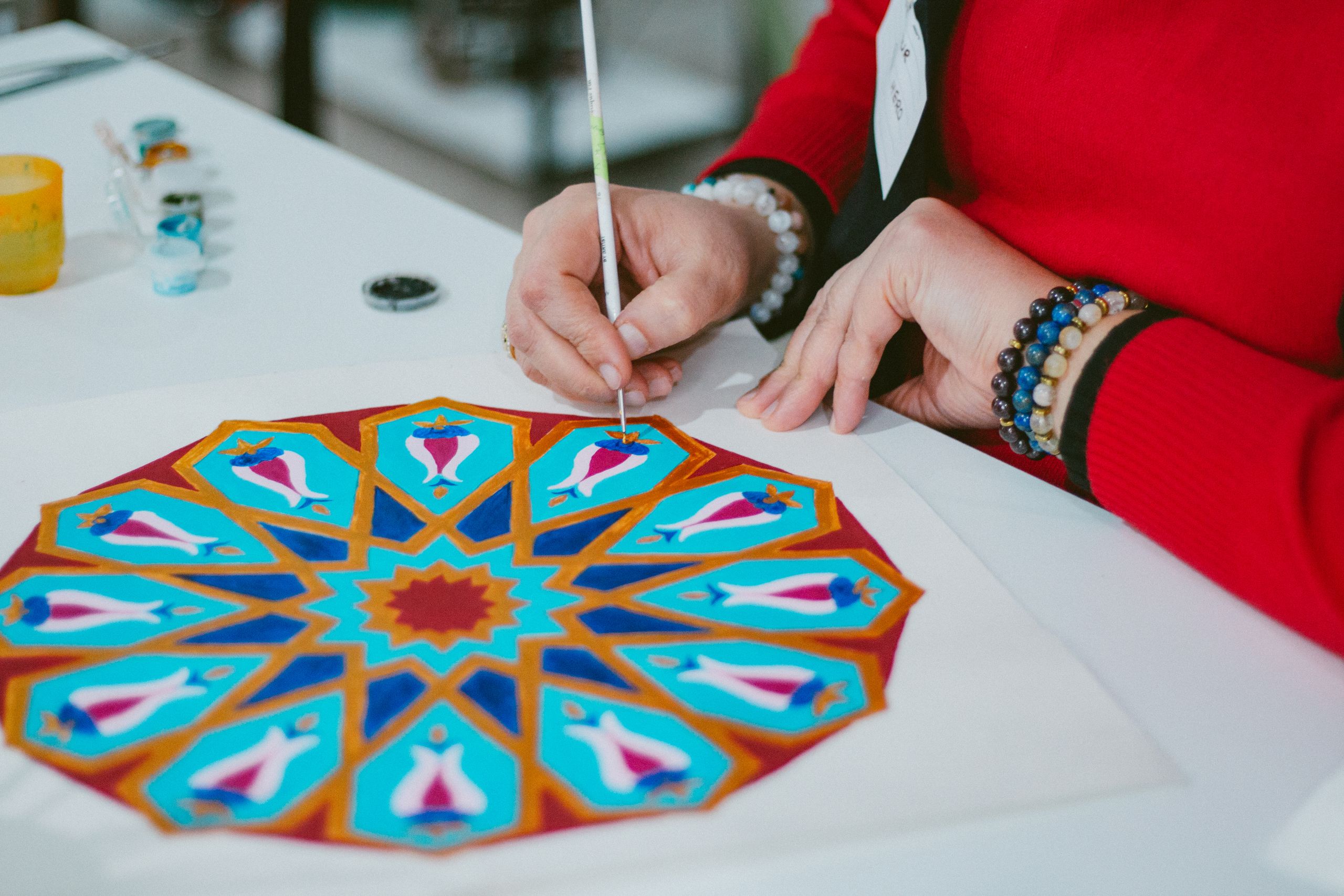
Coloring structured patterns, especially mandalas and repetitive geometric patterns, activates what psychologists call “focused attention” — a state in which the mind is occupied with a low-stakes task that requires enough concentration to break the cycle of anxious thoughts. Studies published in art therapy journals indicate measurable reductions in markers of situational anxiety in just 20-minute coloring sessions.
The mechanism is simple: Prospective anxiety (worrying about the future) and rumination (reliving the past) require the same part of the brain that is used to decide which color to wear next. When this part is occupied with a low-risk choice like a color, it has no available capacity for parallel concern.
Benefit 2 — Flow State Induction
The state of “flow” — a concept developed by psychologist Mihaly Csikszentmihalyi — is a mental state of total absorption in an activity, in which time seems to pass differently and the feeling of well-being is heightened. This state is associated with significant improvements in mood and feelings of competence and satisfaction. Coloring is one of the activities that most easily induces flow in adults without artistic training, precisely because the level of difficulty can be adjusted (more or less detail) to each person's skill level, which is one of the necessary conditions for flow to occur.
Benefit 3 — Emotional Expression Without Words
One of the main limitations of language-based therapy is that not all emotions are easily verbalized—especially emotions associated with trauma, grief, or diffuse emotional states that the person cannot accurately name. The choice of colors, the pressure applied to the pencil and the way different areas are treated in the same drawing constitute forms of non-verbal expression that, in a therapeutic context, can reveal emotional states that language cannot reach. Even outside the clinical context, this channel of expression has value: it allows you to “say” something through the creative process without the need for verbal formulation.
Benefit 4 — Improved Sleep Quality
Coloring before bed is an alternative to using a cell phone or television that has a direct positive impact on the quality of sleep. Unlike screens, which emit blue light and stimulate alertness in the nervous system, coloring on paper does not emit its own light and involves repetitive, calming movements that progressively prepare the body and mind for rest. Regular users of this practice report falling asleep faster and having deeper sleep when they replace 20 to 30 minutes of pre-sleep screen time with a coloring session.
Benefit 5 — Increased Self-Esteem and Sense of Competence
Finishing a drawing — no matter how simple — produces a tangible feeling of completion and competence. This effect is particularly relevant in people going through periods of low self-esteem, mild depression or a feeling of lack of control over their own lives: having a physical result of a personal effort, visible and maintainable, reinforces the feeling of capacity and that “I can do things”. In art therapy, this effort-result-satisfaction cycle is deliberately used as a way of rebuilding psychological resources after difficult periods.
Benefit 6 — Reducing Loneliness and Social Connection
The emergence of online communities around adult coloring books has revealed an unexpected social dimension to this activity. Groups on social networks where participants share their finished work, ask for color suggestions or comment on others' work have created communities with dynamics of genuine belonging and mutual support. For people with reduced mobility, who live alone or in socially isolated contexts, these communities represent an accessible form of social connection organized around a shared activity.
Benefit 7 — Complementary Support in Therapeutic Processes
Many therapists and clinical psychologists now recommend coloring books as a complementary tool between therapy sessions, especially in cases of generalized anxiety, burnout and trauma recovery. The activity does not replace professional support, but works as a daily self-regulation tool that maintains a state of calm between sessions, reduces the intensity of anxious episodes and gives the client a concrete action to take in moments when they feel the need to intervene in their own emotional state without being able to contact the therapist.
How to Integrate This Practice into Everyday Life
It is not necessary to book long sessions to benefit from the therapeutic effects. Regular 15- to 20-minute sessions, done consistently — preferably at the same time of day to create a routine that the brain automatically begins to associate with calm — are more effective than long, sporadic sessions. The best times are before bed (to improve sleep), during a work break (to reduce accumulated stress), or as a transition between a demanding part of the day and one that requires calm and concentration.
Frequently Asked Questions
Does coloring replace psychotherapy?
No. Coloring is a tool for self-regulation and everyday well-being, not a substitute for professional psychological or psychiatric care. In cases of clinical anxiety, depression or other mental health diagnoses, it should always be used as a complement and never as an alternative to appropriate treatment.
What is the most effective type of drawing for therapeutic purposes?
For anxiety and relaxation, repetitive and symmetrical patterns (mandalas, geometry) have more support in the clinical literature. For emotional expression and processing, drawings with more freedom of interpretation (landscapes, nature, abstract figures) tend to be more suitable. To boost self-esteem, completely finishing a drawing — even a simple one — is more important than the type of pattern chosen.
Is there a difference between coloring on paper and coloring in a digital application?
For relaxation and preparation for sleep purposes, paper has clear advantages over digital, as it does not emit its own light and has a tactile component that reinforces the calming effect. For the purposes of emotional expression and accessing the flow state, both formats have similar effectiveness.
Conclusion
Coloring is neither childish nor superfluous — it is an accessible mental health tool, with no side effects, low cost and that can be integrated into anyone's daily routine. The seven documented benefits — from reducing anxiety to improving sleep, including strengthening self-esteem and social connection — make coloring books one of the most democratic ways to actively take care of emotional well-being in everyday life.