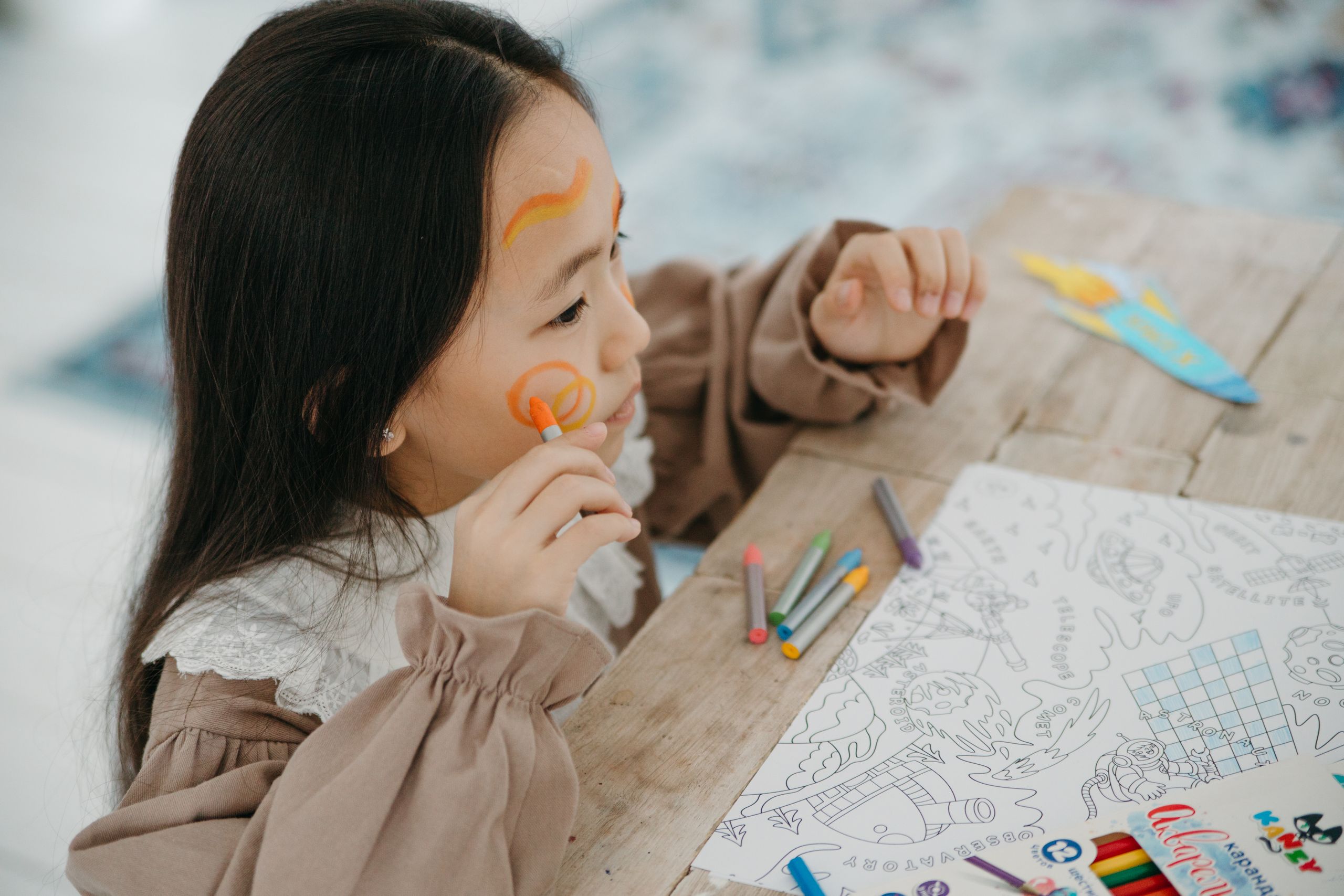
What are Mandalas and Coloring Art for Adults: How to Reduce Stress
In recent years, adult coloring books have become a worldwide phenomenon, and mandalas — those circular, symmetrical patterns — are the most popular motif. But what makes so many adults pick up a colored pencil again after decades of not doing so? The answer lies in a combination of attention neuroscience, ancient symbolism and a very simple benefit: coloring forces the brain to slow down.
Why Coloring Relaxes the Adult Brain
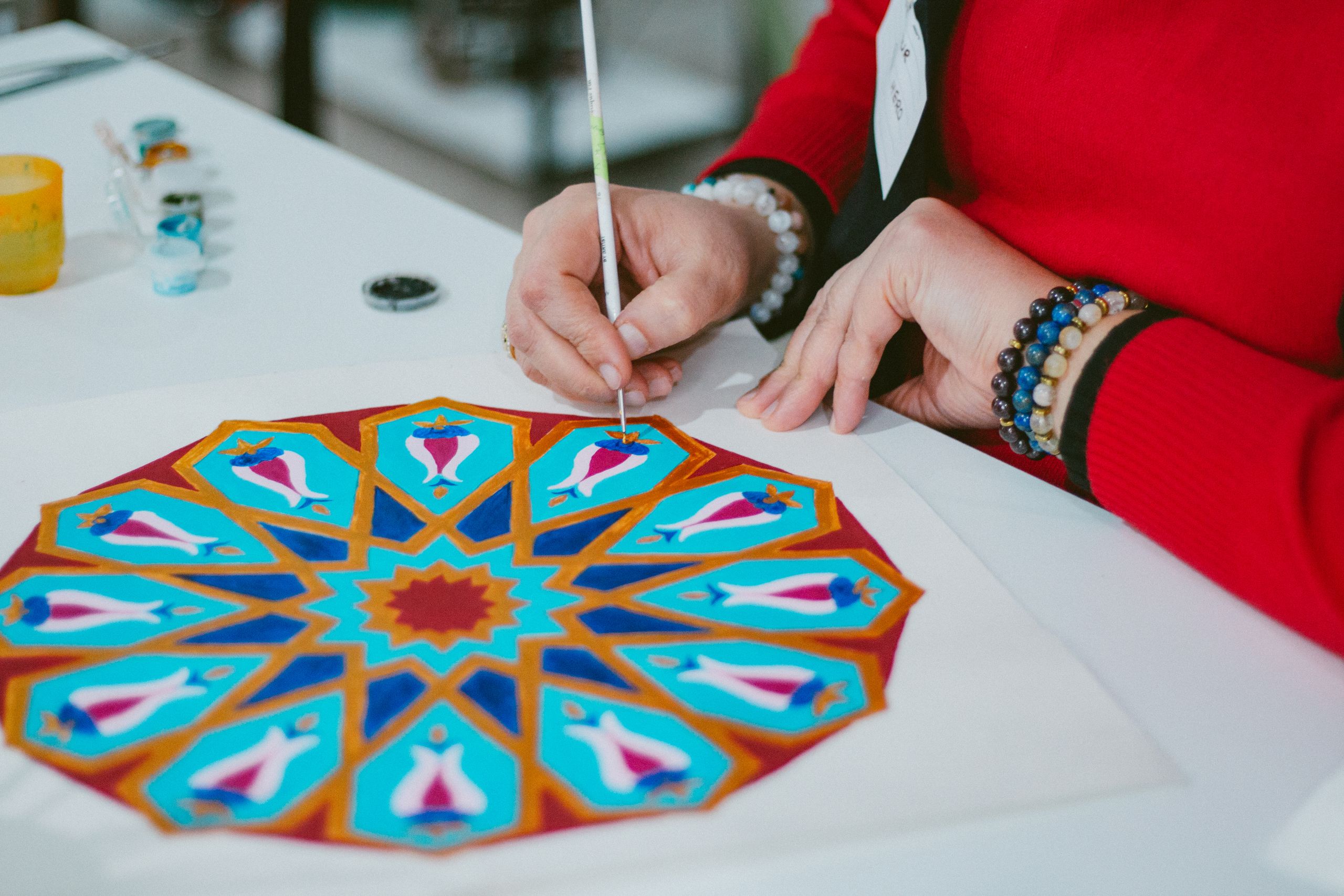
Coloring a repeating pattern, like a mandala, activates a state of mind much like guided meditation. Attention is focused on a single point — the next area to be filled — which naturally reduces the anxious and ruminative thoughts typical of everyday adult life.
This phenomenon is often described by therapists as “active mindfulness”: unlike sitting meditation, which requires emptying the mind, coloring gives the brain something concrete to do, which makes the practice more accessible to those who have difficulty “just not thinking about anything”.
This repetitive and low-risk occupation — there is no way to seriously “mistake” a mandala — allows the nervous system to leave a state of constant alert (the so-called “fight or flight” mode) and enter a calmer state, associated with slower breathing and a more regular heartbeat.
Mandalas: Origin and Symbolism
The word “mandala” comes from Sanskrit and means “circle”. These patterns originate from Hindu and Buddhist spiritual traditions, where they have been used as a representation of the universe and as a tool for meditation and concentration for over a thousand years. Swiss psychiatrist Carl Jung popularized the therapeutic use of mandalas in the West at the beginning of the 20th century, arguing that drawing and coloring these circular patterns helped his patients express and organize internal emotions that were difficult to verbalize.
Today, the symmetry and repetition of the mandala continue to be what makes it particularly effective for relaxation: the human brain has a natural tendency to find repetitive patterns that are pleasant and predictable, which makes this activity especially satisfying.
Proven Benefits: Anxiety, Sleep and Focus
Several studies in occupational therapy and clinical psychology have associated the act of coloring structured patterns, such as mandalas, with reducing anxiety levels in adults, comparable to other active relaxation techniques. Among the most reported benefits are:
- Reducing situational anxiety — short sessions of 10 to 15 minutes already produce a noticeable feeling of calm.
- Improved sleep quality — when practiced at night, as a substitute for using a cell phone or watching television before going to sleep.
- Increased ability to concentrate — due to the demand for sustained attention on a single visual stimulus.
- Reduction of ruminating thoughts — because it occupies the part of the brain normally used for repetitive worries.
How to Create Your Own Anti-Stress Coloring Ritual
The right material
Good quality colored pencils or fine-tipped markers work best for mandalas, as they allow for more control in small areas. For those who prefer a softer texture and more vibrant colors, water-based pencils are also an excellent option, with the advantage of being able to be blended with a damp brush at the end.
Environment and routine
The relaxing effect is greater when the activity is done without other simultaneous distractions — without television in the background, ideally with soft instrumental music or in silence. Setting aside 10 to 20 minutes, always at the same time (for example, before bed or after lunch), helps the brain associate this routine with a moment of pause, reinforcing the calming effect over time.
Mandala vs. Other Patterns: Which One to Choose
Not all standards serve the same purpose. For those looking for deep relaxation before bed, simple mandalas, with few sections and thick lines, are more suitable, as they require less precision effort. For those looking for a more intense concentration challenge — useful to “switch off” from a particularly busy work day — complex mandalas, with many small details, prolong the session and increase the level of absorption in the task.
Examples of Mandalas on Our Forum
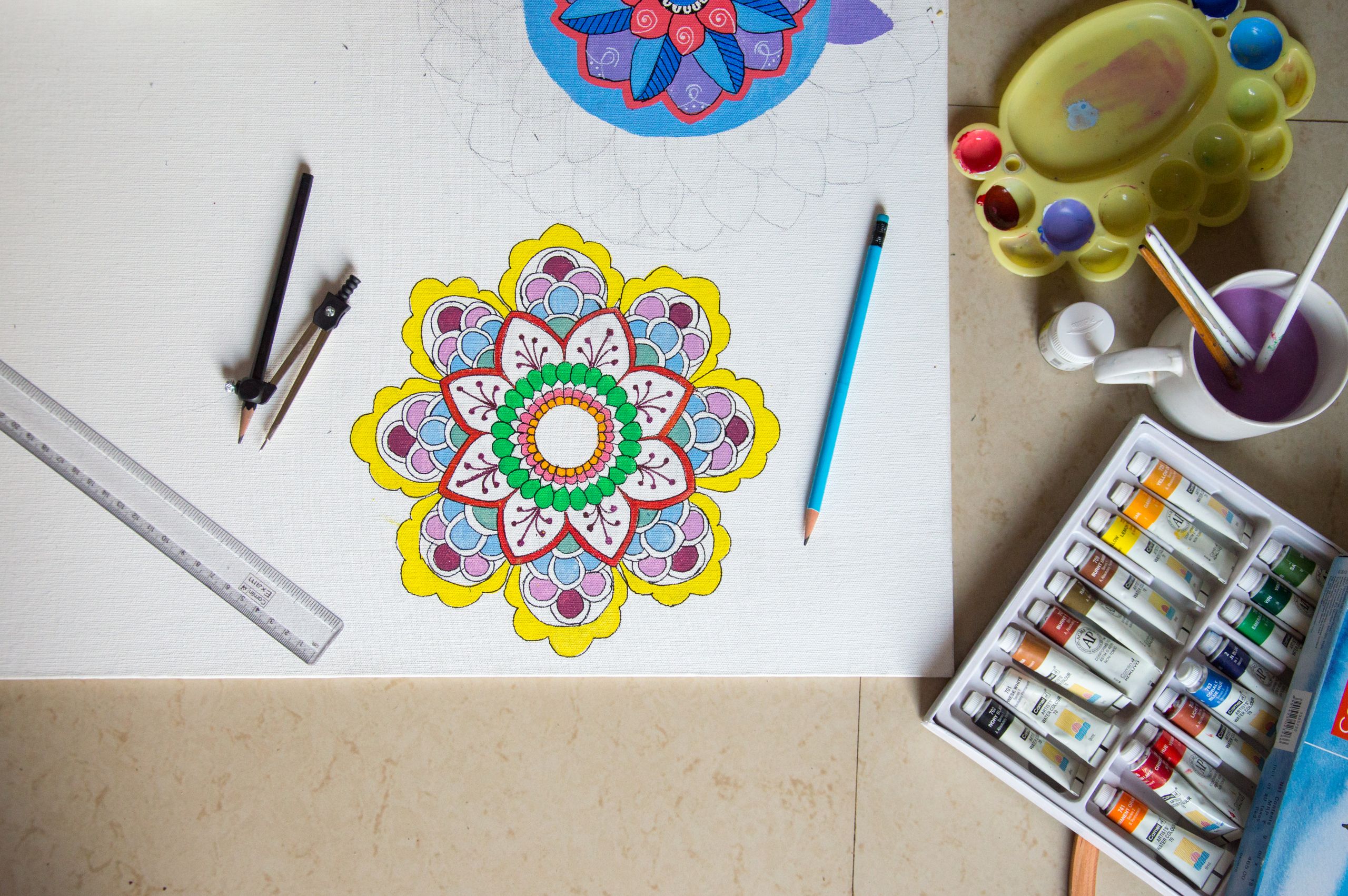
We've put together several mandala patterns and drawings for adults, organized by level of complexity, ready Printable for free:
Frequently Asked Questions
Do I need to know how to draw to start coloring mandalas?
No. The mandalas you find Printable already have their outlines defined — your job is just to choose the colors and fill in the spaces, without the need for any drawing talent.
Does coloring mandalas replace therapy or meditation?
It does not replace professional support when there is anxiety or other clinical conditions, but it works very well as a complement and as a daily relaxation technique, accessible to anyone without the need for prior training.
What is the best time of day Coloring Page mandalas?
It depends on the objective: at the end of the day or before bed to relax and switch off; during a work break to reduce accumulated stress; or in the morning, as a gentle way to start the day with focus before more demanding tasks.
Conclusion
Coloring mandalas is not just a fad — it is a practice with ancient roots and real benefits for managing stress in modern adults. It doesn't require artistic talent, expensive equipment, or a lot of free time: just a colored pencil, a pattern of your choice, and a few minutes of break from everyday life. Explore the patterns available on our forum and find the ideal level of complexity for your relaxation routine.